Why we're already ready for DEFRA's phase two
The rules started on 1 October 2026 with the site you tip at. In 2027 they reach you, and the record stops being something somebody else writes about your load. Here is what actually changes, and why we built for it early.
Callum Wells
Founder, LoadSnap
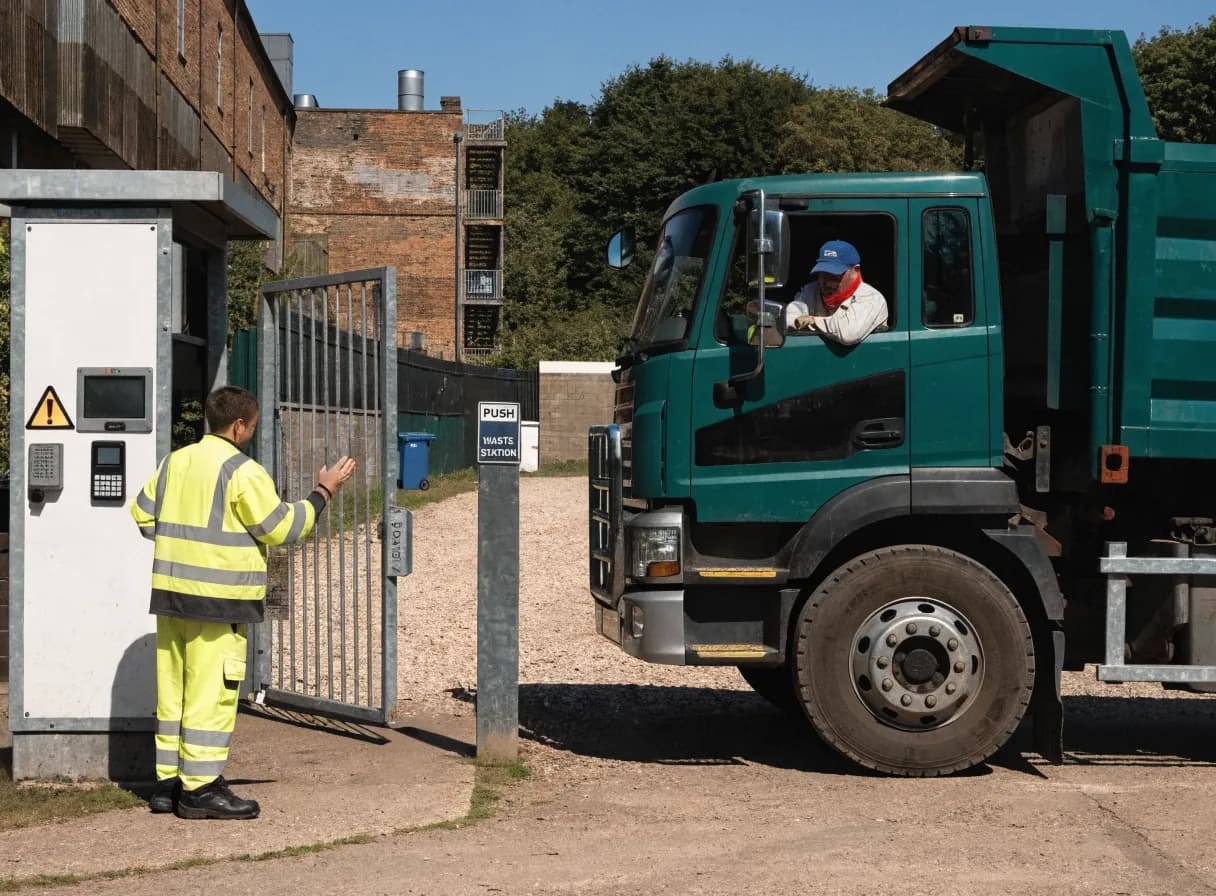
Digital waste tracking starts at the wrong end of the job. Since 1 October 2026, the site you tip at has had to log every load it takes in. You, the firm that actually went and collected the waste, log nothing. That is deliberate, and it is the reason there is a phase two.
Phase two reaches carriers, brokers and dealers in October 2027. The date is not the interesting part. What matters is what changes when the record stops being something the tip site writes about you after the fact, and becomes something you start before the wagon pulls off.
What started in October 2026
Every permitted site in England and Wales that takes waste in has to put each load onto DEFRA's system, and it has to be there by the end of the second working day after the waste arrived. Scotland and Northern Ireland follow in January 2027. That is the rule as written, not guidance somebody might get around to.
Think about what that means at the gate. The weighbridge clerk is now working to a clock, and a good half of what they have to enter is about you: your company, your carrier registration number, your vehicle, what was actually on the wagon. They are typing it in from whatever paperwork your driver handed over, after your wagon has tipped and gone.
So a load you collected ends up in DEFRA's system as one entry, written by somebody else, describing a job that had already finished. Nothing at all recorded it while it was moving.
What changes when it reaches you
From October 2027 the job starts with a record you open. In plain terms: before the wagon leaves, the load gets a number. That number goes on the transfer note and travels with the load. When you tip, the site quotes the same number and adds its weighbridge figures to the record you started, rather than typing a fresh one from nothing.
That is the entire point of the exercise. DEFRA wants to follow a load from where it was produced to where it ended up. You cannot do that when the only record is written at the finish line.
DEFRA has now shown its hand
Until recently, everything above was our reading of the direction rather than anything DEFRA had actually put in writing. That has changed. DEFRA's developers have published their first working draft of the carrier side out in the open, and it does exactly what we expected it to.
Stripped of the technical language: you create a record for the movement, DEFRA's system hands you back a number, and their own note beside it says to keep that number and use it for everything that happens to that load afterwards. The collection gets attached to it. The drop-off is recorded as well, and the receiving site's confirmation attaches to that. One load, one thread, several parties adding to it as the day goes on.
It is a draft rather than a rule, it is switched off, and the detail will move before 2027. But the shape is now visible instead of guessed at, and it is the shape we built for.
Why we are ready
LoadSnap has worked this way for a while, using a reference of our own while we waited for DEFRA's.
Every load booked into LoadSnap gets its own code the moment it is created. It prints on the transfer note and sits behind a QR code on the driver's phone. If the site you tip at is also on LoadSnap, they scan it at the gate and the paperwork fills itself in: your details, the vehicle, the waste codes, the hazardous flags, the producer. The clerk confirms the weight and signs, and you see that confirmation land against your collection before the driver is off the weighbridge.
When DEFRA's number arrives, it takes the place of ours. What your drivers do, and what your office does, stays the same. That is the whole reason for doing it this way round.
One load, filed once
There is a reason we care about this beyond tidiness. A customer collected twelve tonnes and tipped it at their own transfer station forty minutes later. Both ends of the job filed it. One wagon became two movements, twelve tonnes became twenty four, and because there is no way to take a filing back out once it is in, it had to be reported and unpicked by hand.
LoadSnap now treats a load as one job with two ends, and only one end files it. It is checked in two separate places so it cannot slip through on a quiet Friday. Double counting is precisely what phase two exists to stamp out, and it is worth being rid of before anybody starts making decisions off the national tonnage figures.
What you should actually do about it
The software is not the hard part. The habits are, and they are the part with a long lead time.
- Your drivers. A crew that has filled in the same paper ticket for ten years needs months of ordinary jobs, not a training morning, before capturing a load on a phone is automatic.
- Your data. Customer names spelt four different ways, sites with no proper address, waste codes copied off a template somebody built years ago. That takes weeks to clean up, and it wants to be clean before the records start counting for anything.
- The handover. The join between your job and the tip site's gate is where this works or falls over. Get it wrong today and it costs you nothing. Get it wrong in October 2027 and it is a compliance failure.
Pick your busiest round and run it digitally for a month with the paper alongside. Whatever breaks during that month is your real to-do list, and right now you have a year to work through it instead of a fortnight.
One honest note on the dates
Phase two has a published timetable and a service DEFRA has already put through a government assessment and passed. It does not have regulations of its own yet, and the detail will change before it lands. We will keep building to whatever DEFRA publishes, and we will say so here if they publish something that proves us wrong.
If you want the full timeline role by role, it is on our digital waste tracking guide. What we already file on your behalf today is set out on the DEFRA integration page, and the carrier to receiver handover is LoadSnap Connect.
Callum Wells
Founder, LoadSnap
Callum founded LoadSnap after a career in fleet and field technology, and now spends his time in weighbridge offices and cab seats making UK waste compliance less painful.
Keep reading

Do you need to report the waste you receive? DEFRA's guidance, read from the weighbridge
Oct 8, 2026 · 8 min

Upper tier or lower tier: which waste carrier licence you need and what it costs
Oct 4, 2026 · 5 min
Season tickets: when one transfer note can cover a year
Oct 4, 2026 · 5 min
Digital waste tracking is live
The mandate is here.
Automate compliance.
Receiving sites in England and Wales have had to record every load digitally since 1 October 2026. Start a 14-day free trial in minutes, cancel any time before it ends, and file every load from day one.
DEFRA API integrated · EA carrier verification · UK data residency